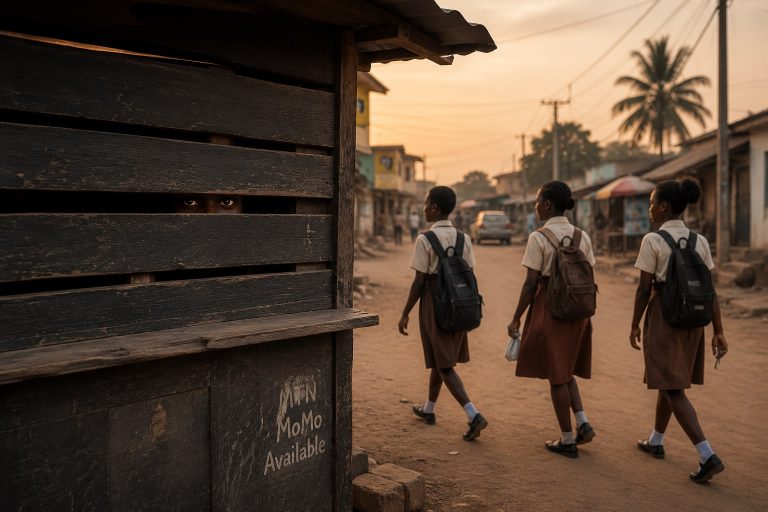

There’s always a video. A screenshot. A voice note somebody wasn’t supposed to leak. A girl’s name trending for the wrong reason. Comments full of laughing emojis under a story about a child. “She wanted it,” someone wrote. By the time you’ve scrolled past, it’s old news, three more scandals have taken its place. Somebody’s uncle forwards the screenshot to the family group chat. “Eiii, see what this world has come to.” By evening, forgotten. New video, new name, new woman for people to argue over.
Nobody wants to call it what it is. Rape culture. Not one bad man, not one bad law, a whole ecosystem of small permissions that make it easier to laugh than to look. Ghana feeds this ecosystem well. We’ve turned it into a mockery. Sexual assault became content, became banter, became something you throw around for a laugh instead of something that happened to a real person. Skits about it. Memes about it. Grown men mimicking a “crying girl” in voice notes for views. If it’s not a joke, it’s entertainment, the “juicy” gist people beg for details on, like it’s a movie plot and not somebody’s worst day.
A girl comes forward and the first question is never for him. What was she wearing. Why was she out that late. Why she no scream. Even in church, even at home, the reflex is to protect his future before her present. Don’t spoil the man’s name. Nobody’s asking who ruined hers. This isn’t fringe, it’s common enough that a girl will do the maths before she says a word, will speaking cost me more than staying quiet, and most times the answer is yes. So she doesn’t.
And let’s not forget about our boys o! They get assaulted too, and honestly, they have it worse in some ways, because nobody even believes it happens to them in the first place. A girl who says “it happened to me” gets doubted, but at least there’s a language for her to be doubted in. A boy says it and half the room laughs. “How can a man be raped.” “He probably enjoyed it.” “But didn’t you get hard though?” As if a body responding has anything to do with a mind consenting. People hear the word “raped” from a boy and immediately start softening it, renaming it, until it’s practically a joke by the time they’re done shrinking it down. That silence is its own kind of rape culture, just quieter.
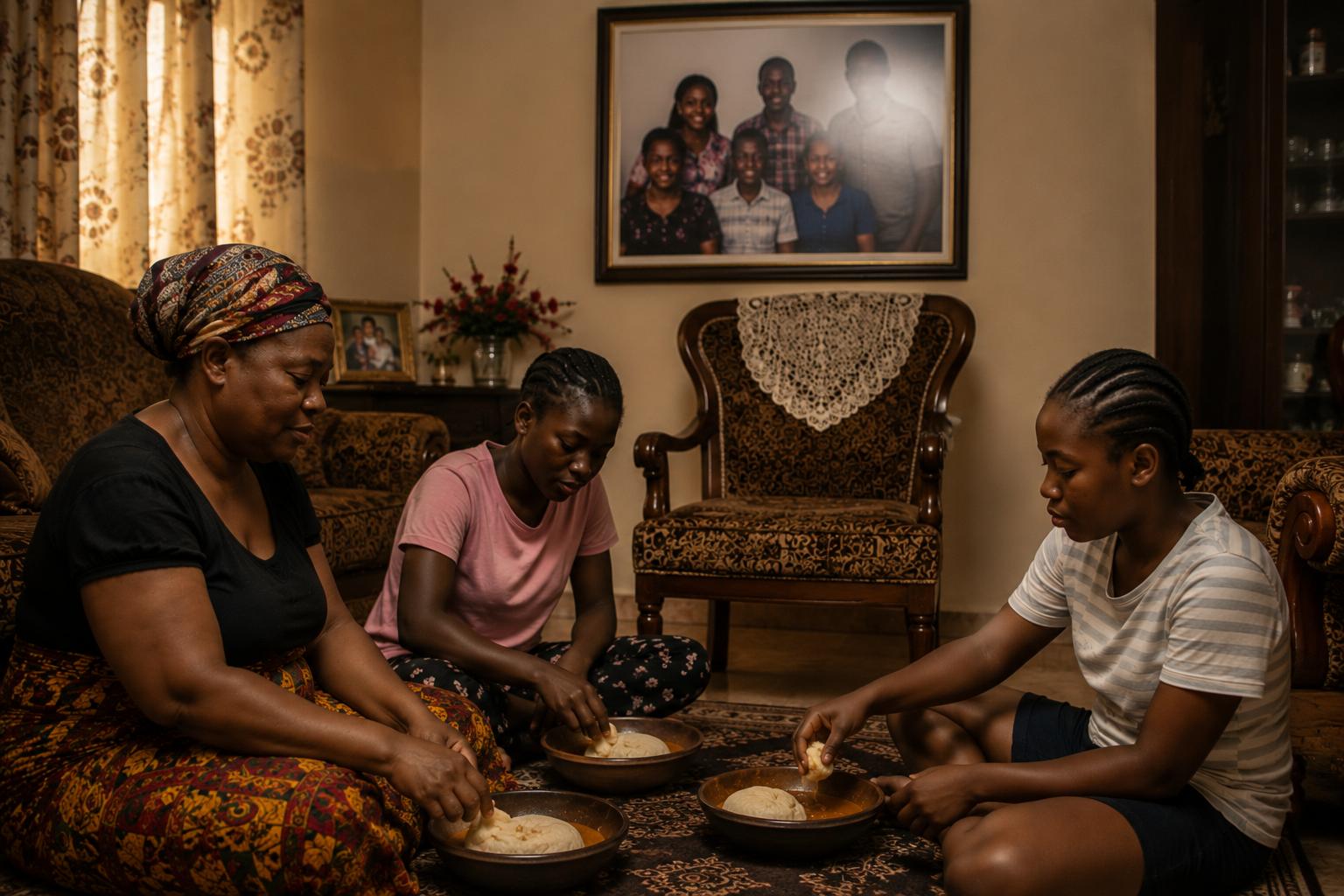
Most of them aren’t assaulted once, whether it’s a boy or a girl. It’s someone who has access and comes back, because the first time nobody said anything, so why would this time be different. And in most cases it’s not a stranger, it’s family, or somebody the family trusts. An uncle. A family friend. Somebody who sits at the same table on Sundays, eating fufu and light soup like nothing is wrong. That’s what makes it so hard to untangle, you’re not accusing “someone,” you’re accusing family, and everyone’s already decided whose side family is on. Even the idea of reporting to an older relative feels like walking into a wall. For a girl, it’s “why didn’t you fight harder.” For a boy, it’s “boys don’t get raped, they get initiated.” And if it’s a younger child, it’s worse, nobody expects them to even understand what happened, so they explain it away before the sentence is finished. So the child learns fast: don’t bother. Carry it. Say nothing.
The mothers who find out and protect the husband anyway, because he brings the money into the house, because you don’t want to bring “shame” into the family, how do you sleep at night? And what about the child in all of this? The actual child, lying awake working out how to move through their own house without being touched. Learning which rooms are safe. Watching their mother choose him, every day, and understanding that they lost. That’s a specific kind of alone, not just what happened to them, but finding out afterward that no one is coming.
It does something to a person, girl or boy. Physically, sometimes, the body doesn’t always heal clean, and nobody’s taking them to get checked because nobody knows to. But it’s the mind that takes the longer hit. Some grow up confused about what sex is even supposed to mean, is it something that happens to you, or something you choose? Some lose interest in it completely, because the first thing their body learned about sex was that it wasn’t theirs to consent to. Some feel disgusted by their own body’s response, and spend years untangling the difference between a physical reaction and a yes. That’s psychological damage sitting quietly under everything, showing up later as anxiety, as shame they can’t explain. Sometimes it just looks like someone who’s fine, fine, fine, until they aren’t.
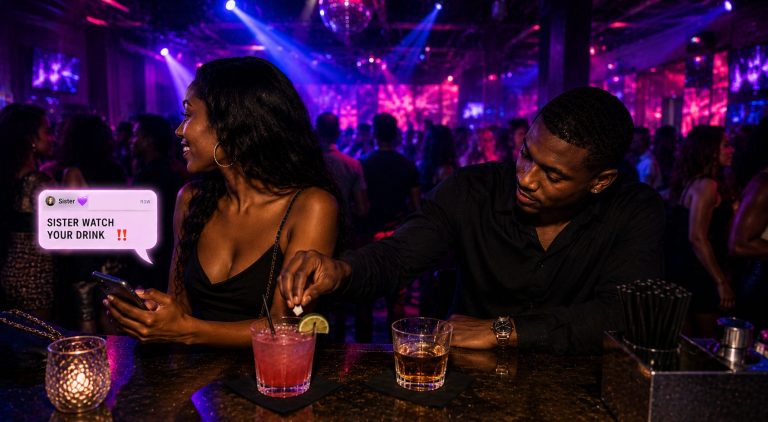
Then there’s the one nobody names, because half of us don’t have the word for it. Stealthing. A man takes the condom off mid-sex, without telling you, banking on the dark, on your trust, on the fact that you won’t notice until it’s too late to matter. Sounds small next to “rape.” It isn’t. You said yes to one thing and woke up having consented, without knowing it, to another. That’s assault, it just doesn’t wear the clothes we’ve been taught assault wears, loud, violent, a stranger in a dark alley. This one is quiet, done by someone you trusted enough to let in. Ask any group of women and somebody has a story with no name attached to it, filed under men go b men. The law hasn’t caught up either.
Ghana’s rape law is gender-specific. Only a man can be charged as the offender, full stop, the Criminal Offences Act says so. A law lecturer at GIMPA, Dr Isidore Tuffuor, said it plainly in 2022: the law reads this way because the culture already believed this way. And even when the law does apply, survivors get punished for using it. Try filing a police report for rape in Ghana without paying, out of your own pocket, for the medical exam that proves it happened. There’s actually a law that says you shouldn’t have to, Ghana’s Domestic Violence Act says a victim in an emergency can get free medical treatment while the case is pending, it’s just barely enforced, so it exists mostly on paper while women still show up with cash in hand. Still no sex offenders registry either. No system flagging a man before he finds the next one. A case makes noise for a week, then it’s gone. Zero accountability. Next story.
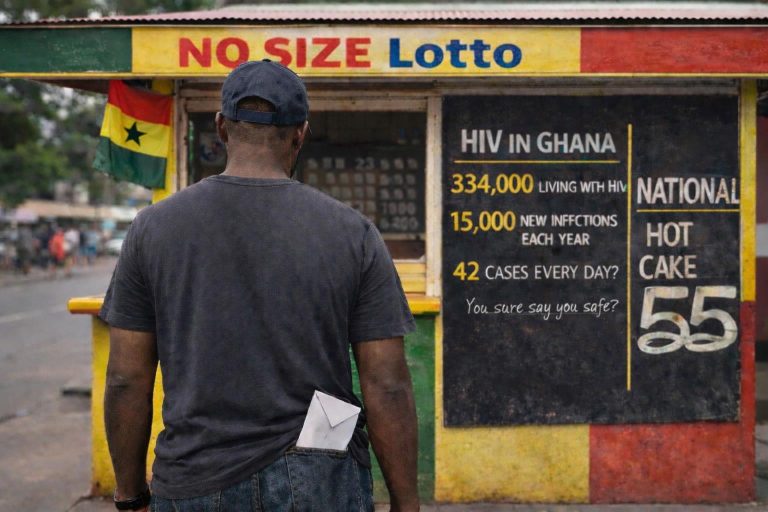
And you know I can’t write an article without adding some numbers, so here they are, according to a 2022 UN Women report: one in four Ghanaian women have experienced physical or sexual violence from a partner, and about 30% will experience sexual violence at some point in their lives. I’m not Ghanaian, but I’m one of the women this could have been, and I know women in this number personally. I’m not writing this from the outside looking in, I’ve lived what this piece is naming, just not within these borders. The number is a person. It could have been me. It has been people I love.
Naming it isn’t the finish line, but it’s the part we keep skipping, and you can’t fix what you won’t look at directly. Stealthing needs a name before it can ever have a consequence. A law that only sees half the possible offenders needs people willing to say the old version was never neutral. A system that bills women for their own justice needs tearing down. One article won’t do that. But somebody has to say it plainly, and if I have to, I will. Somewhere young people are actually reading, listening, watching. Not the fix. Just the refusal to keep pretending it’s comfortable, or that it doesn’t have a name, because we will be naming names.